
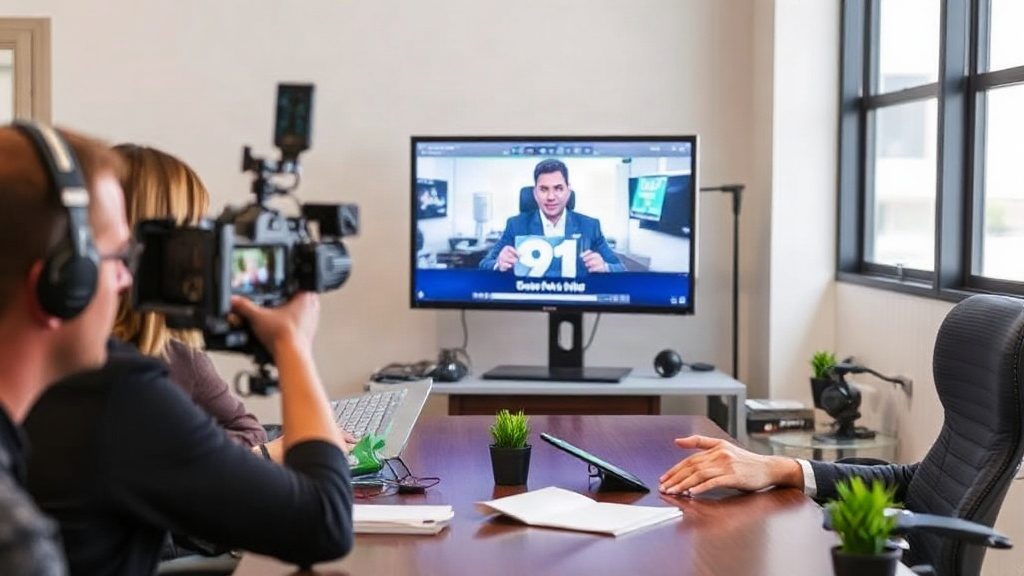
In today’s rapidly evolving business landscape, a solid media strategy is essential for leaders in Orlando, Florida, who strive to maintain a competitive edge. With the rise of digital platforms and changing consumer behaviors, businesses must adapt their marketing approaches to reach and engage their target audiences effectively. Understanding the nuances of local media, leveraging technology, and creating compelling content are just a few of the critical components that can lead to successful media outreach.
As Orlando continues to grow as a vibrant hub for tourism, technology, and innovation, business leaders must be proactive in crafting strategies that resonate with both local and visiting populations. This article delves into various media strategies tailored specifically for Orlando’s unique business environment. By implementing these strategies, leaders can enhance their brand visibility, improve customer engagement, and ultimately drive sales.
Moreover, a well-rounded media strategy encompasses traditional and digital methods, ensuring comprehensive outreach. It’s crucial for leaders to navigate the complexities of different media channels while capitalizing on the opportunities they present. In the upcoming sections, we will explore essential tips and insights that Orlando business leaders can utilize to refine their media strategies and achieve their organizational goals.
Key Takeaways
- Develop a strong understanding of your target audience to tailor content effectively and improve engagement.
- Leverage both traditional and digital media channels for a well-rounded approach to outreach.
- Invest in high-quality content that tells your brand’s story and resonates with your audience.
- Utilize analytics tools to measure the impact of your media efforts and refine your strategies accordingly.
Understanding Your Audience
To create an effective media strategy, it is imperative for business leaders to have a deep understanding of their target audience. Knowing who your customers are, including their demographics, preferences, and behaviors, informs every aspect of your media approach. Conducting market research can provide invaluable insights into what motivates your audience and how they consume media. For instance, younger audiences may prefer social media platforms like Instagram and TikTok, while older demographics might lean towards Facebook or traditional news outlets.
Engaging with your audience through surveys or social media interactions can also enhance your understanding. Feedback from customers can guide your messaging and help identify gaps in your offerings. Furthermore, analyzing competitors can shed light on successful strategies that resonate with similar audiences. By prioritizing audience understanding, leaders can tailor their media strategies to create meaningful connections, enhancing brand loyalty and engagement.
Ultimately, businesses that invest time in understanding their audience are better equipped to develop targeted campaigns that not only attract attention but also foster lasting relationships. This data-driven approach ensures that resources are allocated efficiently and that messaging is relevant, maximizing the return on investment.
Companies that prioritize understanding their audience see a significant increase in engagement and customer satisfaction.
Leveraging Multiple Media Channels
In today’s interconnected world, relying on a single media channel is no longer a viable strategy. Orlando business leaders should employ a multi-channel approach to reach broader audiences effectively. This includes a mix of traditional media, such as newspapers, radio, and television, along with digital platforms like social media, email marketing, and content marketing. By diversifying their media presence, businesses can ensure that their message reaches potential customers across various touchpoints.
Each media channel has its own strengths and audience dynamics. For example, while social media offers an avenue for interactive engagement, traditional media can lend credibility and reach more established demographics. By analyzing the unique features and audiences of each channel, leaders can strategically choose where to allocate their resources. Additionally, integrating these channels can create a cohesive brand narrative, reinforcing messaging across platforms.
Incorporating user-generated content and influencer partnerships into your media strategy can also enhance reach and authenticity. By encouraging customers to share their experiences or collaborating with local influencers, businesses can tap into new networks and foster community engagement. This not only increases visibility but also builds trust with potential customers who value recommendations from peers and trusted figures.
A multi-channel approach allows businesses to connect with diverse audiences, maximizing their outreach efforts.
Creating Compelling Content
At the heart of any successful media strategy lies compelling content that resonates with the audience. Business leaders must focus on creating high-quality, engaging content that tells a story and aligns with their brand values. Whether through blog posts, videos, podcasts, or social media updates, every piece of content should aim to provide value to the audience. For instance, educational content that addresses common pain points can position a business as an industry leader and foster trust.
Additionally, utilizing storytelling techniques can make content more relatable and memorable. By sharing real-life experiences, customer testimonials, or behind-the-scenes insights, brands can create emotional connections with their audience. This emotional engagement is crucial in today’s market, where consumers are increasingly seeking authenticity and relatability from brands.
Moreover, optimizing content for search engine visibility is essential. Implementing SEO best practices ensures that content is discoverable by potential customers actively searching for related topics. This not only increases website traffic but also enhances brand authority within the industry. By combining quality content with effective SEO strategies, businesses can significantly improve their online presence and attract more leads.
Measuring and Refining Your Media Strategy
To ensure the effectiveness of a media strategy, business leaders must continuously measure and analyze their efforts. Utilizing analytics tools can provide insights into audience behavior, engagement rates, and overall campaign performance. By tracking key performance indicators (KPIs) such as website traffic, social media engagement, and conversion rates, businesses can gauge the success of their media initiatives.
Understanding which aspects of your media strategy are working and which are not allows for informed decision-making. For instance, if a particular social media campaign generates high engagement but low conversions, it may indicate the need for a stronger call-to-action or revised targeting strategies. Regularly reviewing analytics data enables leaders to pivot their strategies based on real-time feedback, ensuring they remain aligned with audience expectations and market trends.
Furthermore, conducting A/B testing on various elements, such as headlines, visuals, and messaging, can yield insights into what resonates best with your audience. This iterative approach to strategy development fosters a culture of continuous improvement, essential for thriving in the competitive business landscape of Orlando. By being adaptable and data-driven, businesses can refine their media strategies to meet evolving consumer needs and preferences.
Pros and Cons
- Pros:
- Diverse outreach capabilities allow businesses to connect with various audience segments, enhancing brand visibility and engagement.
- Enhanced credibility through traditional media channels can build trust with consumers, particularly older demographics.
- Opportunity for community engagement through local partnerships and user-generated content can foster brand loyalty.
- Data-driven decision-making ensures that strategies are refined based on measurable outcomes, improving overall effectiveness.
- Cons:
- Managing multiple media channels can be resource-intensive and require dedicated teams for effective execution.
- Content creation demands constant innovation and quality, which can be challenging for businesses with limited resources.
- Inconsistent messaging across channels may confuse audiences and dilute brand identity if not managed properly.
Balancing the pros and cons of a comprehensive media strategy requires careful consideration and planning. While the benefits of increased visibility and engagement are significant, the challenges of resource allocation and content consistency must also be addressed. Business leaders in Orlando should weigh these factors to develop a strategy that maximizes advantages while minimizing drawbacks.
Conclusion
In conclusion, developing an effective media strategy is crucial for Orlando business leaders aiming to thrive in a competitive environment. By understanding their audience, leveraging multiple media channels, and creating compelling content, businesses can enhance their outreach efforts and build meaningful connections with customers. Regularly measuring and refining strategies based on data-driven insights will ensure continued success and adaptability in a constantly evolving market.
As leaders embrace these strategies, they should remain mindful of the balance between resource allocation and the pursuit of innovation. The ultimate goal is to create a cohesive media presence that resonates with audiences while driving business growth. Armed with these insights, Orlando business leaders can confidently navigate their media strategies and achieve their objectives in today’s dynamic landscape.