
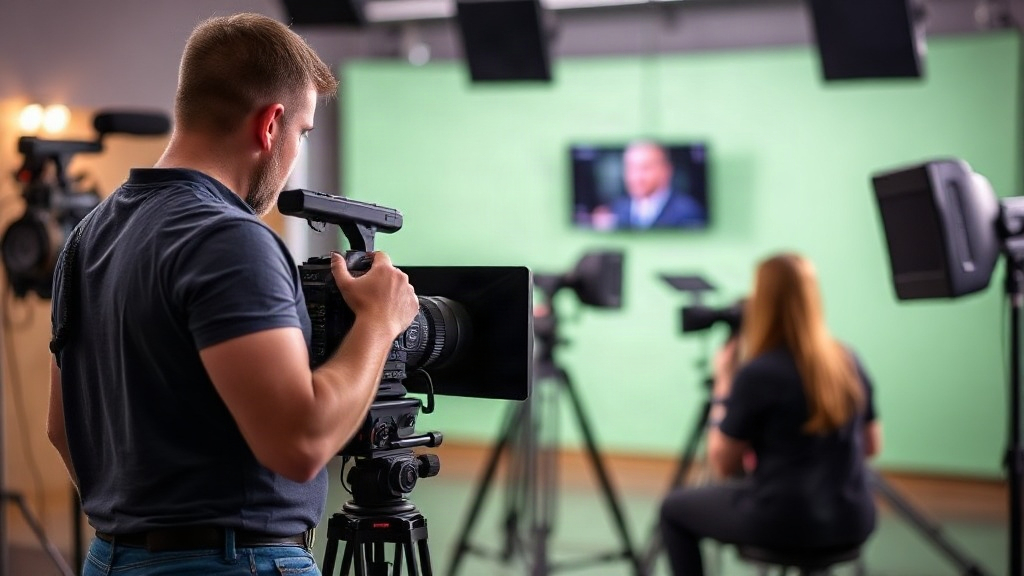
In the vibrant and competitive landscape of Orlando, Florida, media professionals are constantly seeking ways to enhance their skills and stand out in a crowded field. On-camera training has emerged as a crucial component for individuals looking to improve their presence and effectiveness in front of the camera. This training not only helps professionals hone their technical skills but also boosts their confidence, enabling them to deliver compelling performances. As the media landscape evolves, those who invest in on-camera training are better equipped to meet the demands of their roles.
The significance of on-camera training cannot be overstated, especially in a city like Orlando, which is home to a variety of media outlets, production companies, and entertainment venues. Professionals, whether they are reporters, actors, or content creators, benefit immensely from learning how to engage their audience effectively. Mastering the nuances of body language, vocal modulation, and script delivery can make a substantial difference in how messages are received and interpreted. Therefore, understanding the specific advantages of such training becomes essential for anyone aiming to excel in the media industry.
Furthermore, on-camera training offers a unique opportunity for media professionals to receive constructive feedback from experienced instructors and peers. This feedback loop is invaluable in identifying strengths and areas for improvement, allowing individuals to develop a personalized growth plan. As they progress, participants often find that their newfound skills translate into enhanced job performance and greater career opportunities. In a city known for its entertainment and media scene, this type of training is not just beneficial; it’s often a game-changer for many professionals.
Key Takeaways
- On-camera training enhances confidence, allowing media professionals to engage with their audience more effectively and authentically.
- Technical skills are sharpened through practice, including camera techniques and understanding lighting and sound, leading to higher production quality.
- Constructive feedback from trainers and peers fosters a continuous improvement mindset, essential for career growth in the media industry.
- Networking opportunities arise during training sessions, connecting professionals with industry contacts that can lead to future collaborations and job opportunities.
The Importance of Confidence in Media Presentation
Confidence is a critical factor for success in any media-related role. For Orlando media professionals, on-camera training plays a pivotal role in building this essential trait. When individuals practice in front of the camera, they learn to overcome nerves and present themselves more effectively. This improvement in presentation skills reflects positively on their performance, whether they are delivering news reports, participating in interviews, or acting in front of the camera.
Moreover, on-camera training helps professionals understand the psychological aspects of performance. It teaches them how to manage anxiety and channel it into positive energy. Techniques such as visualization and breathing exercises are often incorporated into training sessions, enabling participants to maintain composure in high-pressure situations. As they become more comfortable with their appearance and delivery, they are more likely to engage with their audience, creating a stronger connection that resonates with viewers.
Individuals who complete on-camera training often report significant improvements in their self-esteem and overall presence. This newfound confidence can lead to more compelling storytelling, as media professionals become adept at using their body language and voice to convey emotion and authenticity. In a city like Orlando, where storytelling is at the heart of the entertainment industry, this ability to connect with an audience cannot be underestimated.
Confidence gained through on-camera training can significantly impact a professional’s ability to engage and retain their audience.
Technical Skills Development Through Training
On-camera training is not just about confidence; it also encompasses a wide range of technical skills that are crucial for media professionals. Understanding how to operate cameras, utilize lighting effectively, and manage sound can make a significant difference in the quality of a production. In Orlando, where the media landscape is ever-evolving, having these skills can set professionals apart from their peers.
During on-camera training sessions, participants often learn about various camera angles, shot compositions, and the importance of framing. These technical aspects are essential for creating visually appealing content that captures audience attention. Additionally, training often includes instruction on how to work with teleprompters, which is particularly valuable for news anchors and presenters. Mastering these tools allows professionals to deliver their lines smoothly and naturally, further enhancing their on-air presence.
Moreover, understanding the technicalities of lighting and sound can have a profound impact on the final product. Media professionals who are well-versed in these areas can make informed decisions that elevate their work. For instance, they can adjust lighting to create the desired mood or manage sound levels to ensure clarity and quality. This level of expertise not only improves individual performances but also contributes to the overall success of any production, making on-camera training an invaluable investment.
Technical proficiency gained from on-camera training directly influences the quality of media productions and presentations.
Feedback and Continuous Improvement
One of the standout features of on-camera training is the structured feedback provided to participants. Constructive criticism from experienced trainers and fellow participants leads to a cycle of continuous improvement. Feedback allows professionals to identify specific areas where they excel and where they may need further development. This personalized approach to learning ensures that each individual’s training experience is tailored to their unique needs.
In Orlando’s competitive media environment, the ability to receive and implement feedback can be a key differentiator. Professionals who are open to critique and willing to adapt their techniques often find themselves advancing more rapidly in their careers. This commitment to growth is crucial in an industry where trends and audience preferences are constantly changing. Training sessions often simulate real-world scenarios, allowing participants to practice and receive immediate feedback, which enhances learning and retention.
Furthermore, ongoing feedback fosters a sense of community among participants. They learn from each other’s experiences, sharing insights and techniques that can be beneficial for everyone involved. This collaborative atmosphere not only motivates individuals to improve but also helps them build valuable connections within the industry. As they develop their skills, they create a network of peers who can support and encourage their professional growth.
Networking Opportunities in On-camera Training
Networking is an essential component of career advancement in the media industry, and on-camera training programs often provide unique opportunities for professionals to connect with one another and industry insiders. Many training sessions are attended by individuals from diverse backgrounds, including aspiring actors, news reporters, and content creators. This diversity fosters an environment where participants can share their knowledge and experiences, leading to potential collaborations.
In Orlando, where the media sector is thriving, building a strong professional network can open doors to new opportunities. On-camera training sessions often feature guest speakers or industry experts who offer insights into the latest trends and best practices. These interactions not only enhance the learning experience but also allow participants to make connections that can benefit their careers long after the training is complete.
Moreover, participating in on-camera training can lead to increased visibility within the industry. As professionals showcase their skills and dedication to their craft, they may attract the attention of producers, directors, or casting agents who are scouting talent for upcoming projects. This exposure can be invaluable for those looking to establish themselves in the competitive Orlando media scene.
Pros and Cons
- Pros:
- Increased confidence in front of the camera, allowing for more authentic presentations and better audience engagement.
- Improved technical skills, leading to higher production quality in media projects.
- Access to personalized feedback that fosters continuous improvement and tailored skill development.
- Networking opportunities that can lead to collaborations and job offers within the industry.
- Cons:
- Training programs can be costly, which may be a barrier for some aspiring professionals.
- Time commitment required for training may conflict with other professional responsibilities or personal commitments.
- Not all training programs are created equal; the quality of instruction can vary significantly.
Weighing the pros and cons of on-camera training reveals a nuanced picture. While the benefits of improved skills, confidence, and networking opportunities are compelling, the costs and time investment must be considered. Ultimately, individuals must assess their personal goals and resources to determine if such training is the right fit for their career aspirations.
Conclusion
In conclusion, on-camera training offers a multitude of benefits for media professionals in Orlando, ranging from enhanced confidence and technical skills to invaluable networking opportunities. By engaging in this type of training, individuals position themselves for greater success in a competitive industry. The skills developed through practice and feedback are essential for anyone looking to improve their on-camera presence and overall effectiveness. As the media landscape continues to evolve, investing in on-camera training becomes not just an option but a necessity for those seeking to thrive in their careers. With the right training, Orlando’s media professionals can unlock their full potential and make a lasting impact in their field.