
Wearable tech has been a case of curiosity for Samsung in recent years. From its pricey if well-designed smart ring, to its range of smart watches designed to track fitness, the company has often swung (and often missed) in this developing sector.
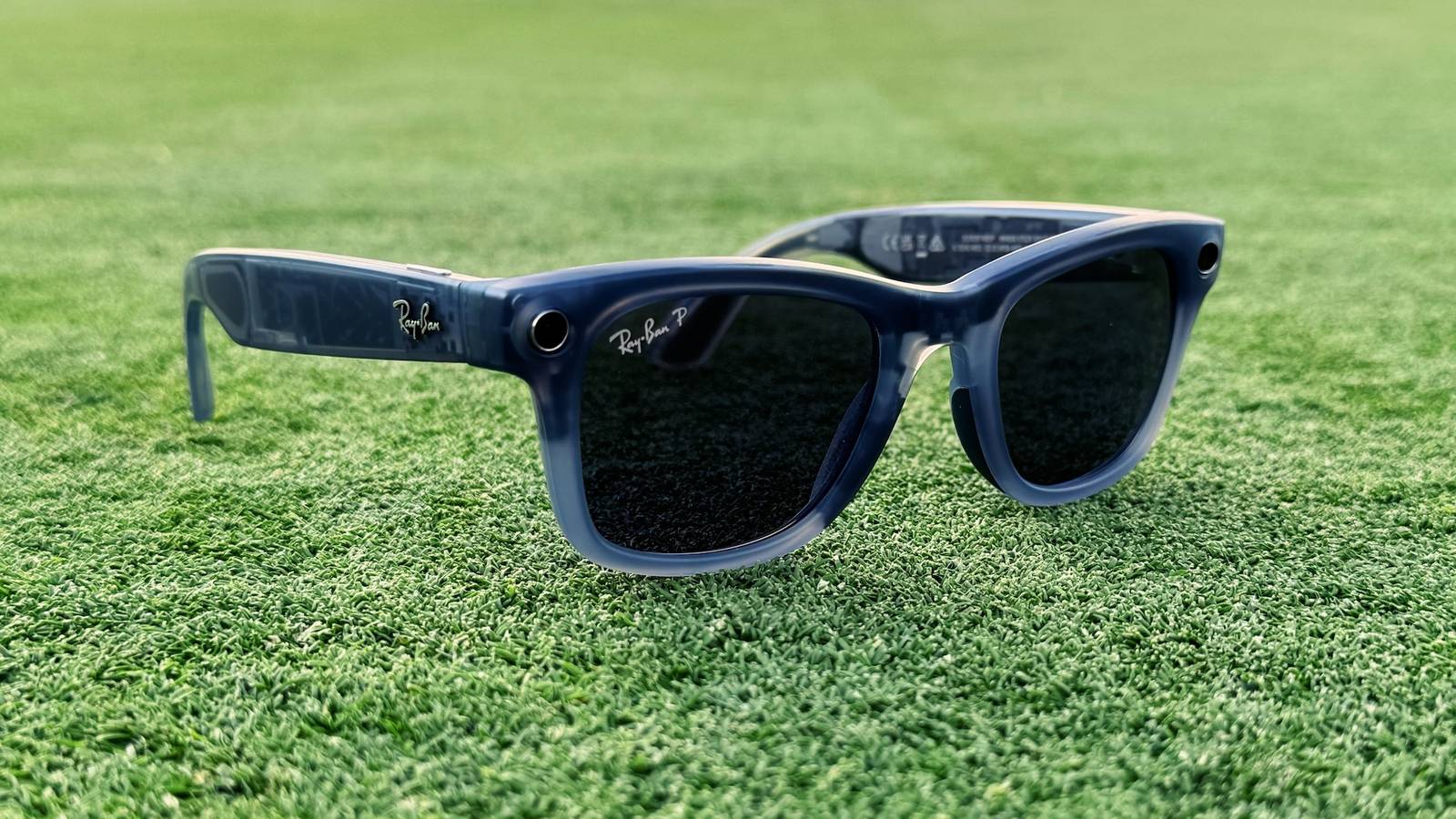
Now, a fresh leak from Sammyguru journalist @thatjoshguy69 suggests that Samsung could launch its new wearable tech — Galaxy AI smart glasses — as early as July this year, alongside the Galaxy Fold 8 and Z Flip 8. Developed via a powerhouse partnership between Google and Qualcomm, Samsung’s smart glasses aim to bridge the gap between utility and high-end augmented reality spatial computing. While there is no current information on the expected price, the best-selling AI glasses, and the most comparable — Ray-Ban Meta Gen 2 — go for around $459.00
Exclusive – Galaxy Glasses spotted in One UI 8.5’s SystemUI
I was adding icons for my design kit when I found this. Appears in the BT device list, alongside buds and watches and stuff.
Couldn’t wait to share this one lol https://t.co/yxg8eUknDt pic.twitter.com/jWnfoNCpHG
— That Josh Guy (@thatjoshguy69) April 18, 2026
If Samsung wants to win over the skeptics and justify the inevitable premium price tag, they’ll need to nail the balance between style and substance. Here are 4 features we’re hoping to see at launch.
A good camera

Like it or not, the Meta Ray-Bans have made cameras a must-have in any smart glasses. According to Geeky Gadgets, the Samsung Galaxy AI smart glasses are rumoured to be Android XR glasses with a 12MP Sony IMX681 sensor and autofocus, which would match the 12MP camera found on the Gen 2 Ray-Bans. It’s not just for snapping and filming POV TikTok’s — a 12MP camera allows for better gesture recognition, making them feel even more seamless in your day-to-day life. Samsung could pull ahead of its competitors with its superior image processing and low-light technology. A rumored 245mAh battery, reported by 9to5Google in mid-March 2026, might struggle to power a camera all day, but it could be a trade-off fans would prefer.
Enhanced Privacy Features

Speaking of cameras, one of the biggest hurdles that smart glasses face is the social stigma of being always-on. Ray-Ban Meta glasses have faced criticism in the past for its small, easily-hidden LED that indicates filming. Whether you feel like content capture should be possible or not with smart glasses, it’s fair to say enhanced privacy is a win for everyone.
The Samsung Galaxy S26 series recently introduced a world-first privacy innovation: a built-in toggleable privacy screen that functions on a per-pixel level. Something similar, such as an electronic privacy tint, or a clearer visual indicator to others that the camera is live, would be welcome.
Deep Google Gemini Integration

Google’s Gemini large language AI model is rumored to integrate into Samsung Galaxy smart glasses. While no details are confirmed, it’s expected to deliver smarter user interactions and contextual understanding, with augmented reality overlays supported by artificial intelligence.
Seamless Galaxy Ecosystem Sync

Samsung’s greatest strength is in its ecosystem. I mentioned the Galaxy smart ring and smart watch earlier — imagine lightweight glasses that can display your health data while on a run, or act as a viewfinder for your Samsung Galaxy phone camera. While this deep integration offers a continuous experience for Samsung users, the requirement for a Galaxy account and specific flagship phones might feel like a restrictive trade-off for the expected premium price.
With a potential launch slated for Q3 2026, Samsung is positioning itself as the defining wearable technology for the stylish among us. Would a 12MP camera and augmented reality powered by AI convince you to give up your phone screen for good?
[ad_2]
Source link